
Neon Sign



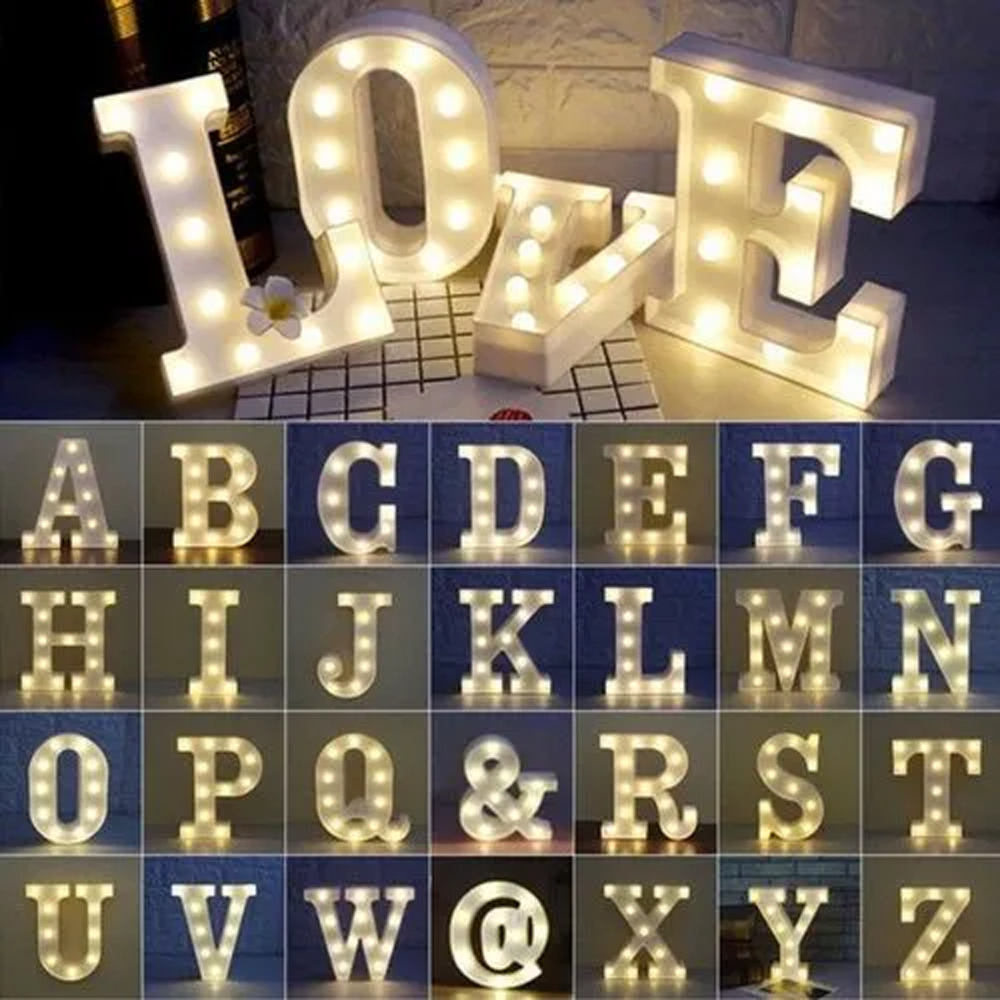
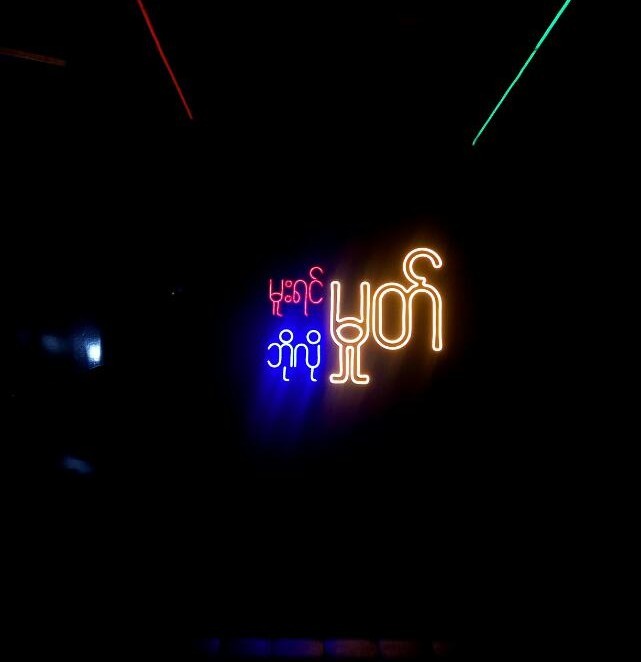
Neon Sign
LED (Light-Emitting Diode) and neon lightboxes are both types of illuminated signs that are commonly used for advertising, decoration, and signage purposes. However, they differ in terms of technology, appearance, and certain practical aspects.

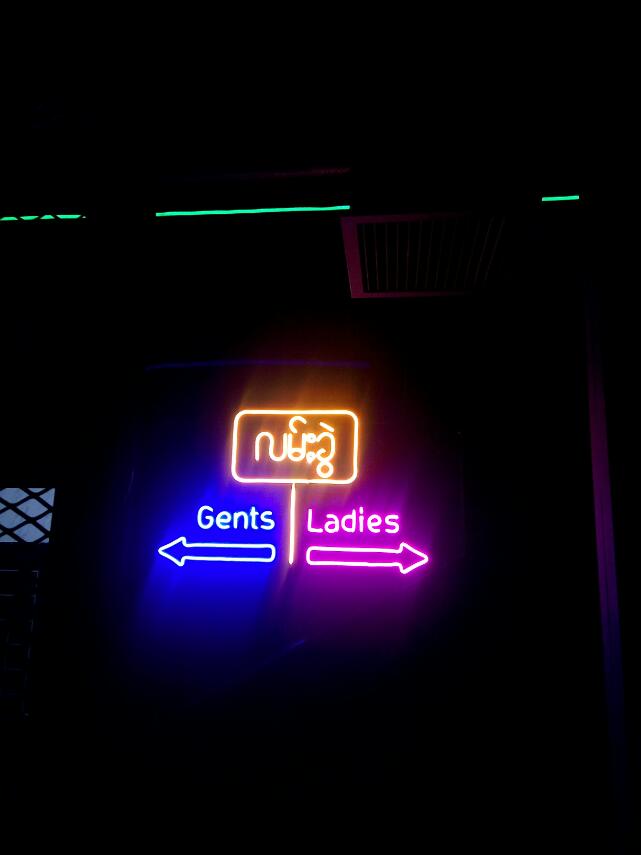


Neon Lightbox

Technology:
Neon lightboxes use glass tubes filled with neon gas to produce light through the process of ionization. The neon gas emits a distinctive, colorful glow.
Brightness and Color:
Neon lightboxes have a unique and vibrant appearance. The color options are somewhat limited compared to LEDs, and neon signs often have a warm, retro glow.
Flexibility:
While neon tubes can be bent into various shapes, the flexibility is not as high as that of LED lights. Neon signs often have a characteristic tube-like appearance.
Energy Efficiency:
Neon signs are generally less energy-efficient compared to LEDs. They consume more power and may require more maintenance.
Durability:
Neon signs are sensitive to breakage, and the glass tubes can be fragile. Additionally, neon signs tend to have a shorter lifespan compared to LED signs.
Thickness:
Neon signs are typically thicker than LED lightboxes, which can affect the overall aesthetic and might limit placement options in some settings.


In summary, LED lightboxes are known for their energy efficiency, flexibility, and modern appearance, while neon lightboxes offer a distinct retro aesthetic with a warm glow. The choice between the two depends on factors such as design preferences, budget, and the desired atmosphere for the space in which the signage will be used.


